
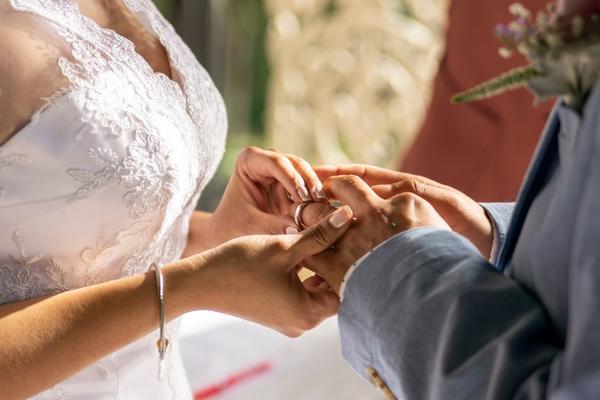
Some couples want wedding vows that sound as familiar as the ceremony itself. Others love the idea of writing something personal but worry about finding the right words. Traditional wedding vows offer a reassuring middle ground: promises that generations have spoken, with a clear focus on commitment rather than a perfect love story.
the phrases most people recognise share a central idea: marriage means choosing one another through ordinary days, unexpected changes, and difficult seasons as well as celebrations.
What Do Traditional Wedding Vows Usually Say?
Classic wedding vows typically begin by naming the partners and declaring the choice to marry. They then promise ongoing love, loyalty, and care, often using paired contrasts such as better and worse, wealth and hardship, or health and sickness. Many end with a commitment intended to last for life.
In the Church of England’s Common Worship marriage service, familiar phrases include “to have and to hold” and “for better, for worse.” Other Christian services use closely related language, although the exact wording differs. A couple planning a civil or nonreligious ceremony can draw on the same themes without presenting a religious text as their official vows.
Classic Wedding Vow Wording: Examples to Understand
A familiar church-style framework
Many English-language church ceremonies follow this broad sequence: “I take you” as my spouse; a promise to stay together through better and worse circumstances; a commitment to love and cherish; and a lifelong closing promise. The complete approved text depends on the church and service being used. Ask your officiant for the exact version rather than combining lines from different traditions.
A traditional-inspired vow for a flexible ceremony
“I, [Name], choose you, [Name], as my partner in marriage. I promise to share the joys and responsibilities of our life, to support you through easier and harder times, to care for you in sickness and in health, and to love you faithfully throughout our years together.”
This original example draws on classic marriage vows but is not an authorised religious or legal formula. It is a starting point where couples may choose their own words.
A shorter, contemporary version
“I choose you as my spouse and closest companion. I promise to listen with patience, stand beside you in uncertainty, celebrate your happiness, and keep caring for our marriage through all the years ahead.”
What the Familiar Phrases Really Mean
“To have and to hold”
This phrase expresses the acceptance of one another as spouses and the intention to build a shared life. It is not a claim of ownership. Couples often understand it today as a promise of closeness, partnership, and mutual responsibility.
“For better, for worse”
Marriage will include joyful achievements and disappointing days. This phrase commits both partners to facing changes together rather than expecting the relationship to feel effortless. It does not require someone to tolerate abuse or remain unsafe; healthy commitment also includes dignity and protection.
“For richer, for poorer”
Money affects decisions about homes, work, family, and security. The promise recognises that financial circumstances may shift and that neither person’s worth depends on their income.
“In sickness and in health”
Health challenges can change daily routines and the care a couple needs from one another. These words look beyond the wedding day toward practical kindness, flexibility, and support, while recognising that partners may also need help from family or professionals.
“Till death us do part”
Traditional Christian services often use a lifelong closing commitment. Secular couples sometimes prefer “for as long as we both live.” The meaning is similar, but an officiant may need to use prescribed wording in a legally recognised religious service.
Traditional Vows Versus Personalised Vows
Traditional vows offer shared, familiar language. Personalised vows allow memories, humour, and individual promises. Neither approach is automatically more sincere: a short traditional promise can be deeply meaningful when the couple understands it, while personal vows can express thoughtful details about daily life together.
A useful compromise is to speak the required or chosen classic vows during the ceremony, then share a personal reading or letter separately. A guide to writing personal wedding vows can help you decide which details are best kept for that moment.
Can You Change Standard Wedding Vows?
It depends on the ceremony. For a Church of England wedding, the official vows cannot be rewritten; personal words may instead fit into an additional reading or another part of the service with the vicar’s guidance. Catholic and other denominational ceremonies also have their own approved marriage texts and requirements.
Civil and celebrant-led ceremonies may offer more flexibility, but local marriage law and the officiant’s rules still matter. Some ceremonies include legally required declarations alongside optional personal promises. Confirm the wording and order before printing your ceremony booklet.
If a phrase feels uncomfortable, ask what it means in that tradition rather than quietly deleting it. Older language about obedience, for example, appears in some historic forms but is not universal across modern services.
How to Make Classic Vows Feel Like Your Own
Begin by reading the words aloud together. Pause at each promise and ask what it would look like in a normal week, not just on the wedding day. “In sickness and in health” might mean covering household responsibilities after an operation; “for richer, for poorer” might mean discussing a job change without blame.
Next, decide whether your ceremony permits original vows, a short added statement, or only an approved text. Rehearse at a natural speaking pace, mark places to breathe, and keep a printed copy available even if you intend to repeat the words after your officiant.
If you want another personal element without changing the vows, choose one of your meaningful wedding readings to express a shared value. You can also consult a wedding ceremony order guide to see how vows, ring exchanges, and readings fit together.
Frequently Asked Questions
Are traditional wedding vows always religious?
No. Many familiar English-language versions come from Christian marriage services, but secular vows can use the same themes of loyalty, care, and lifelong partnership without religious references.
Do both partners have to say exactly the same vows?
In many formal religious services, the partners use parallel prescribed wording. In flexible ceremonies, they can usually choose matching or different personal promises, subject to local requirements and the officiant’s guidance.
Is “for better or worse” part of every wedding vow?
No. It is a recognisable feature of some classic wedding vows, not a universal requirement. Different faith traditions and civil ceremonies express commitment in different ways.
How long should traditional vows take to say?
The vows themselves are often brief, although the full exchange may include questions, responses, and rings. Practise the wording with your officiant so the rhythm feels calm rather than rushed.
Choosing Words You Can Stand Behind
Traditional wedding vows are powerful because they describe a lasting practice, not a flawless future. Choose the approved wording if your ceremony requires it, or borrow the spirit of classic promises when you have freedom to personalise. Either way, the strongest vows are the ones you understand, mean, and intend to live out after the celebration ends.