
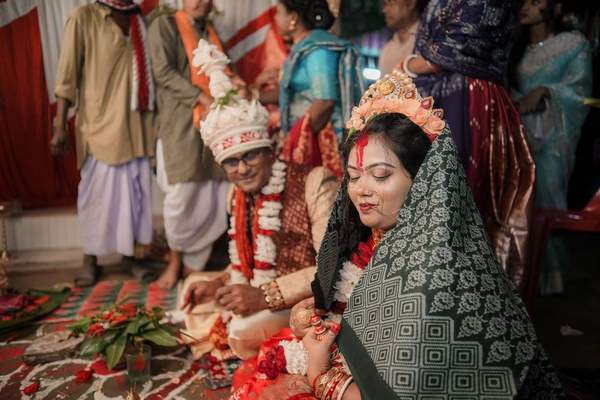
A Hindu wedding is remembered for its flowers, music and clothing, but the ceremony tells a more intimate story: two people making commitments in the presence of family, community and the sacred. Its meaning unfolds through blessings, offerings and vows connecting a couple’s future with generations of tradition.
There is no single script followed by every Hindu family. Customs differ across regions, languages, communities and households. Understanding Hindu wedding ceremony traditions means recognizing both the shared symbols and the different ways families bring them to life.
Before the Vows: Welcoming and Preparing
Celebrations often begin before the wedding day. Mehndi gatherings may feature henna patterns, while haldi ceremonies involve applying turmeric-based paste in a festive blessing ritual. Neither is universal. Their meaning and participants depend on local custom.
The groom may arrive in a procession called a baraat in many North Indian settings. Some ceremonies begin with prayers to Ganesha, traditionally invoked at important beginnings. These moments mark a transition from festivity to the commitments ahead.
The Mandap: A Setting for Sacred Promises
The mandap is the canopy or ceremonial space where many Hindu weddings take place. Often supported by four pillars and decorated with flowers or fabric, it is more than a backdrop. Families may interpret its structure as representing a new home, family support or the responsibilities of married life.
During the mandap ceremony, the couple sits or stands with the officiant and, at certain moments, relatives. A small sacred fire may be established there. The arrangement places personal vows within a wider community of relationships.
Before finalizing the layout, couples should ask their priest how much room is needed for movement around the fire. Allow safe space for participants and clear sightlines for guests. A Hindu wedding ceremony timeline can help relatives understand when they will join the couple beneath the canopy.
Garland Exchange: Choosing One Another
One of the most recognizable Hindu wedding traditions is the exchange of floral garlands, called jaimala or varmala. Each partner places a garland around the other’s neck, expressing acceptance and mutual respect. Families often greet this moment with cheers and laughter.
In some ceremonies, a cloth screen separates the couple beforehand; elsewhere, the garlands appear at a different point. Their presence is familiar, but the exact order should never be assumed.
Family Blessings and the Joining of Hands
Some Hindu ceremony rituals involve parents or other relatives formally supporting the union. Kanyadaan, often understood as presenting the bride in marriage, is one such rite. Its wording varies, and some couples reinterpret or omit it to reflect their values and family arrangements.
Panigrahana, the joining or taking of hands, expresses commitment to entering married life together. The couple’s garments may also be tied in a knot, sometimes called granthi bandhan, symbolizing connection and shared responsibility. An officiant’s explanation is often more illuminating than a generic checklist of rituals.
The Sacred Fire and Wedding Circuits
In many Vedic-style ceremonies, a consecrated fire represents Agni, the deity of fire, and witnesses the marriage vows. The priest may chant Sanskrit mantras while the couple makes offerings or moves around the fire. Fire evokes illumination, transformation and the seriousness of public promises.
The circuits are often called pheras, but not every ceremony includes seven rounds. Some Gujarati traditions feature four circuits associated with major aims of life, while other communities follow different sequences. Describing every ceremony as seven pheras obscures these distinctions.
Ask the venue about fire rules, ventilation and approved arrangements before planning decorations or photographs. The symbolism matters more than the size of the flame.
Saptapadi Meaning: Seven Steps Toward Shared Life
Saptapadi literally means seven steps. In many Hindu wedding ceremonies, the couple takes seven steps while prayers express hopes for their partnership. Common interpretations concern nourishment, strength, prosperity, happiness, family, well-being through life’s changes and enduring friendship.
These steps are not necessarily seven complete circles around the fire. Some traditions distinguish saptapadi from the circuits, using different movements, mantras or sequences. The family’s priest is the best guide to what guests will see.
The saptapadi meaning is also practical. Marriage is pictured not as one romantic declaration but as a continuing set of shared responsibilities. The emphasis on friendship is especially moving: companionship is something to nurture long after the celebration ends.
Other Symbols of Marriage
In many communities, sindoor, a vermilion marking along the bride’s hair parting, and the mangalsutra or thali, a marriage necklace, signify marital status. Their form and role vary, and some brides use other markers or none.
The ceremony may close with ashirvad, blessings from elders and guests. A subsequent farewell, often called vidaai in North Indian traditions, can be emotional, although its form depends on family preference. A Hindu wedding attire and symbolism guide offers further context for the clothing and objects guests encounter.
Why Regional Traditions Look Different
Consider two weddings that share sacred prayers but unfold differently. A Bengali ceremony may include shubho drishti, a carefully staged exchange of glances. A Tamil wedding may prominently feature tying the thali and rites specific to that community. Neither is a less authentic version of the other.
Language, officiant lineage, interregional marriages and family choices shape the order. Couples combining traditions can ask the officiant which rites are essential to their chosen ceremony and which can be adapted. A short printed program explaining each major moment, rather than an exhaustive glossary, helps guests participate respectfully. Families preparing such a program may also find a guide to wedding ceremony planning useful.
Frequently Asked Questions
How long does a Hindu wedding ceremony last?
There is no fixed duration. Some ceremonies are compact; others include extended prayers and family rituals. Ask the couple or officiant for the schedule rather than assuming a standard length.
Are all Hindu weddings performed around a fire?
No single format represents every Hindu community. Sacred-fire rites are central to many traditions, but practices differ. The family and officiant can explain their chosen ceremony.
Is saptapadi the same as seven pheras?
Not always. Saptapadi refers to seven steps, whereas pheras are circuits around the fire. Some traditions connect them closely; others distinguish them or perform a different number of circuits.
What should guests do during the rituals?
Follow the hosts’ guidance, remain attentive during prayers and avoid crossing the ceremonial space. Ask a family member before taking photographs, removing shoes or joining blessings.
A Ceremony With Many Expressions, One Central Promise
The mandap, garlands, sacred fire and seven steps express acceptance, responsibility, companionship and hope. Their meaning grows clearer when we stop treating every Hindu wedding as identical. Respecting each family’s language, customs and choices transforms unfamiliar gestures into something deeply understandable: promises shared before the people who matter most.