
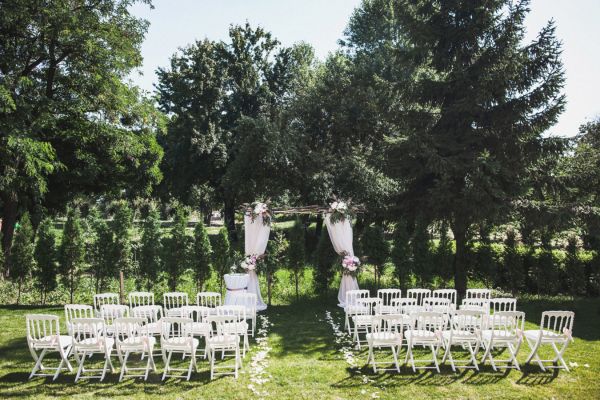
Weddings have always carried a mix of tradition and personal expression. From the music to the attire, couples often find themselves deciding how much of the past they want to preserve and how much of their own story they want to bring into the ceremony. One of the most meaningful choices in this process involves the vows themselves. When couples begin planning their ceremony, they often encounter the question of modern vs traditional wedding vows—a choice that reflects not only style but also values, personality, and cultural background.
For some, the timeless language of traditional vows feels comforting and sacred. For others, writing something personal and contemporary feels more authentic. Neither option is inherently better; they simply offer different ways to express commitment. Understanding the differences, benefits, and challenges of each approach can help couples decide which path feels right for their relationship.
The Meaning and History Behind Traditional Wedding Vows
Traditional wedding vows have been part of marriage ceremonies for centuries. They often originate from religious or cultural traditions and tend to follow a structured format. Many people recognize phrases such as “for better or for worse,” “for richer or poorer,” and “in sickness and in health,” which have been repeated in countless ceremonies across generations.
These vows carry a sense of continuity. Couples who choose them often appreciate the connection they create between past and present. Speaking words that countless others have spoken can feel like joining a long-standing tradition of commitment and partnership.
Traditional vows also tend to emphasize the solemn nature of marriage. The language is formal, sometimes poetic, and designed to reflect the seriousness of the promise being made. In religious ceremonies, these vows may hold spiritual significance as well, reinforcing the idea that marriage is not only a personal commitment but also a sacred covenant.
Because they are widely recognized and structured, traditional vows can also make the ceremony flow smoothly. Couples do not have to worry about crafting the perfect wording; instead, they focus on the meaning behind the words themselves.
The Rise of Modern Wedding Vows
Over the past few decades, wedding ceremonies have gradually become more personalized. As couples seek ways to make their weddings reflect their unique stories, many have turned to writing their own vows. This shift has led to the growing popularity of modern vows.
Modern wedding vows are typically written by the couple themselves, allowing them to express their feelings in their own words. Instead of relying on traditional phrasing, these vows often include personal anecdotes, shared memories, promises tailored to the relationship, and sometimes even lighthearted humor.
For many couples, this approach feels more genuine. Rather than repeating words written centuries ago, they create vows that reflect their personalities, experiences, and hopes for the future. Modern vows can also acknowledge the realities of contemporary relationships, emphasizing partnership, equality, and emotional connection.
This style has become especially common in secular ceremonies or outdoor weddings where couples feel free to shape the structure of the ceremony according to their preferences.
Why Some Couples Prefer Traditional Vows
Despite the growing popularity of personalized ceremonies, traditional vows remain deeply meaningful to many couples. One of the primary reasons is the sense of stability and timelessness they offer.
Traditional vows are carefully crafted to express universal promises that apply to any marriage. The language focuses on commitment, loyalty, and perseverance—qualities that have always been central to the idea of marriage.
For couples who feel connected to their cultural or religious heritage, traditional vows can also carry significant symbolic value. Using these vows can honor family traditions and maintain continuity across generations.
Another practical advantage is simplicity. Writing personal vows can be intimidating, especially for people who are not comfortable speaking publicly or expressing emotions in writing. Traditional vows remove that pressure, allowing couples to focus on the ceremony itself rather than worrying about crafting the perfect speech.
The Appeal of Modern Wedding Vows
Modern vows offer something that traditional vows cannot: complete personalization. Couples who write their own vows can shape their promises to reflect their relationship in a deeply personal way.
This freedom allows couples to highlight meaningful moments in their journey together. They might talk about how they met, what they admire about each other, or how their relationship has grown over time. These details make the ceremony feel more intimate and unique.
Modern vows also allow couples to incorporate humor and authenticity. Many couples choose to include playful promises alongside heartfelt ones, creating a balance of sincerity and personality. For example, someone might promise to support their partner through life’s challenges while also joking about always sharing the last slice of pizza.
Because of this flexibility, modern vows often feel more like a conversation between two people rather than a formal declaration. For guests, this can make the ceremony more engaging and emotionally memorable.
Emotional Impact on the Ceremony
When comparing modern vs traditional wedding vows, one of the biggest differences lies in how they shape the emotional tone of the ceremony.
Traditional vows tend to create a sense of reverence. Their structured language and historical roots can make the ceremony feel solemn and timeless. Guests may recognize the words instantly, which can add a comforting familiarity to the moment.
Modern vows, on the other hand, often create a more intimate and emotional atmosphere. Hearing couples speak in their own words can feel deeply personal. Guests may laugh, tear up, or feel a stronger connection to the couple’s story.
Neither approach is inherently more meaningful. For some couples, the power of tradition creates a moving experience. For others, authenticity and personal storytelling carry greater emotional weight.
Challenges of Writing Personalized Vows
While modern vows can be beautiful and heartfelt, they also come with certain challenges. Writing meaningful vows requires time, reflection, and emotional openness.
Some couples struggle with where to begin. They may worry about sounding cliché, overly sentimental, or not emotional enough. Finding the right balance between sincerity and simplicity can take effort.
There is also the challenge of matching tone and length. If one partner writes a deeply emotional speech while the other keeps things short and humorous, the contrast can feel awkward during the ceremony.
Public speaking anxiety can also make personalized vows intimidating. Standing in front of friends and family while sharing personal feelings is not easy for everyone. For some people, the structured language of traditional vows feels safer and more comfortable.
Blending Tradition and Personal Expression
Interestingly, many couples no longer see the decision as strictly modern vs traditional wedding vows. Instead, they choose a combination of both approaches.
Some ceremonies begin with traditional vows and then include a short personal statement written by each partner. Others follow the traditional format but allow couples to add a few unique promises at the end.
This blended approach allows couples to honor tradition while still expressing their individuality. It can also create a balanced ceremony that feels both meaningful and personal.
By combining familiar language with personal reflections, couples can craft vows that feel authentic without abandoning the symbolic weight of tradition.
Cultural and Religious Considerations
In some weddings, the choice between modern and traditional vows may depend on cultural or religious expectations. Certain faith traditions require specific vows to be recited during the ceremony.
In these situations, couples may have limited flexibility. However, they can still personalize other aspects of the ceremony, such as readings, music, or additional spoken reflections.
For couples planning secular ceremonies, there is usually greater freedom to experiment with wording and structure. This flexibility has contributed to the increasing popularity of modern vows in recent years.
Understanding these factors can help couples make decisions that respect both their personal preferences and any cultural or family traditions that are important to them.
Choosing the Right Style for Your Relationship
Ultimately, the decision between modern and traditional vows comes down to what feels most authentic for the couple. Some relationships naturally align with the poetic language of tradition, while others feel better expressed through personal storytelling.
Couples who value history, structure, and spiritual symbolism may gravitate toward traditional vows. Those who prioritize individuality and personal expression may feel more comfortable writing their own.
It can also help to consider the overall tone of the wedding. A formal ceremony in a religious setting may pair naturally with traditional vows, while a relaxed outdoor ceremony may feel more suited to personalized ones.
There is no universal rule. What matters most is that the vows reflect the couple’s shared commitment and the meaning they place on the moment.
Conclusion
The conversation around modern vs traditional wedding vows is not really about which style is better. Instead, it is about how couples choose to express one of the most important promises of their lives.
Traditional vows carry centuries of meaning and offer a sense of continuity that many couples find deeply moving. Modern vows provide the freedom to speak from the heart in a way that reflects a unique relationship.
Whether couples choose time-honored words, personal promises, or a blend of both, the true significance lies in the intention behind them. At their core, wedding vows are simply a declaration of love, commitment, and partnership—spoken in whatever language feels most genuine to the people saying them.