
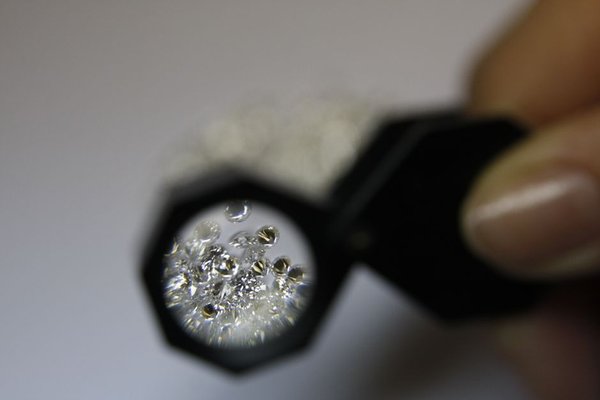
When two engagement-ring diamonds look almost identical, the grading report can become the document that separates a confident purchase from a confusing one. That is why the GIA vs IGI diamond certification question comes up so often. Strictly speaking, both laboratories issue grading reports rather than guarantees of value, but those reports document the characteristics buyers use to compare stones, including carat weight, color, clarity, cut information and origin.
For natural diamonds, GIA and IGI both provide detailed grading information. The bigger difference in 2026 is the lab-grown market: GIA now uses a different quality-assessment format for colorless to near-colorless lab-grown stones, while IGI continues to provide 4Cs-style grading. Buyers therefore need to compare the report type as well as the lab name.
GIA vs IGI Diamond Certification at a Glance
A GIA diamond report for a natural D-to-Z diamond provides a 4Cs assessment and may include proportions, finish, fluorescence and a plotted clarity diagram, depending on the report type. GIA’s full Diamond Grading Report includes a clarity plot, while other formats such as the Diamond Dossier are more compact.
An IGI diamond report for a natural diamond also records the 4Cs, shape, measurements and other grading details, with information such as polish, symmetry and relevant comments. Both laboratories provide online report-verification tools, which should be checked before purchase.
Why the Lab Name Matters, but the Report Details Matter More
Diamond grading combines measurement with expert observation, giving buyers a common framework for comparison. A lab report is not, however, an appraisal, a resale-price guarantee or an assurance that two diamonds with the same headline grades will look identical.
For example, imagine comparing two one-carat natural round diamonds, each advertised as G color and VS2 clarity. One carries a GIA report and the other an IGI report. Instead of deciding from the letters alone, compare the measurements, cut information, polish, symmetry, fluorescence, clarity characteristics and price. Then view high-quality images or the stones themselves. The better buy may be the stone with stronger visual performance and a more sensible price, not simply the one carrying your preferred lab name.
Do GIA and IGI Use the Same Grades for Natural Diamonds?
Both use familiar diamond terminology for natural stones, but shoppers should avoid assuming that every grade from different laboratories is automatically interchangeable in the marketplace. Grading includes human judgment, especially around color and clarity boundaries. A practical diamond certificate comparison therefore looks at the complete report and the actual diamond rather than treating the lab name as a shortcut.
For related reading while comparing natural stones, useful internal topics include diamond cut grades, how to read diamond clarity grades, and choosing the best diamond shape for an engagement ring.
The Biggest 2026 Difference: Lab-Grown Diamond Reporting
This is where older buying advice can now be misleading. Since October 1, 2025, GIA has used a revised quality-assessment system for loose, colorless to near-colorless laboratory-grown diamonds. Instead of assigning the natural-diamond color and clarity nomenclature to these stones, GIA classifies qualifying diamonds as Premium or Standard based on a combination of color, clarity, cut and finish criteria. Stones that do not meet the minimum Standard criteria do not receive that quality designation.
IGI currently continues to issue lab-grown diamond reports using 4Cs-style assessments, including familiar color and clarity grades. Its reports also identify the stone as laboratory grown, and IGI states that the growth process and treatments may be noted when applicable. This makes an IGI diamond report particularly straightforward for shoppers who want to compare several lab-grown stones using detailed color and clarity grades.
Do Not Compare GIA Premium Directly With an IGI Letter Grade
A GIA Premium lab-grown assessment and an IGI report showing, for example, D color and VVS clarity are not simply two labels for the same grading format. GIA’s current system is an overall category, while IGI’s report preserves more granular 4Cs-style descriptors. If you are shopping across both laboratories, compare the underlying quality information, cut performance, measurements, price and seller return policy rather than trying to convert one label into the other.
What Engagement Ring Buyers Should Verify Before Purchase
Start by entering the report number in the laboratory’s official online verification service and confirm that the digital record matches the seller’s document. Check the carat weight, measurements, shape and key grades. If the diamond has a report-number laser inscription, ask to see it under magnification and make sure it corresponds with the report. For lab-grown diamonds, confirm that the report clearly identifies laboratory-grown origin.
Next, look beyond the grading report. Review magnified video or inspect the stone in person for clarity characteristics, bow-tie effects in elongated shapes and overall light performance. Confirm the retailer’s return period and whether an independent inspection is allowed. A grading report should support, not replace, a visual and commercial evaluation.
Which Is Better for an Engagement Ring: GIA or IGI?
For a natural diamond, both laboratories can provide meaningful third-party grading documentation, and GIA remains a widely used reference point for natural-diamond grading. If two natural diamonds are close in price, compare the complete reports and the stones rather than choosing on the laboratory name alone.
For lab-grown diamonds, the choice is more about the information format you want. GIA’s current Premium or Standard assessment offers a simplified overall quality classification for qualifying colorless to near-colorless lab-grown diamonds. IGI’s report retains detailed 4Cs-style grading, which can be convenient when comparison shopping across a large inventory. Neither format removes the need to evaluate cut quality, visual appearance and price.
Frequently Asked Questions
Is GIA better than IGI for diamonds?
There is no universal answer for every stone. GIA is a major reference for natural-diamond grading, while IGI provides widely used reports for both natural and laboratory-grown diamonds. The better choice depends on the diamond, report type, market price and the level of grading detail you need.
Does IGI grade lab-grown diamonds?
Yes. IGI issues laboratory-grown diamond reports and currently provides 4Cs-style assessments, including color, clarity, carat and cut information where applicable.
Does GIA still give color and clarity grades to lab-grown diamonds?
For loose colorless to near-colorless lab-grown diamonds under its current service, GIA uses Premium and Standard quality assessments rather than the natural-diamond color and clarity nomenclature. GIA still offers separate services for laboratory-grown colored diamonds.
How can I check whether a diamond report is genuine?
Use the official GIA Report Check or IGI report-verification service and match the online details with the document and the diamond. If a laser inscription is present, verify that the report number on the girdle matches as well.
Making the Final Choice
The smartest way to use GIA or IGI grading is as a comparison tool, not as a substitute for judgment. For natural diamonds, study the full 4Cs and report details alongside images, price and cut performance. For lab-grown diamonds, pay special attention to the report format because GIA and IGI now present quality differently. Once you verify the report, confirm the stone’s origin and inspect how it actually looks, the lab name becomes one part of a much stronger buying decision.