
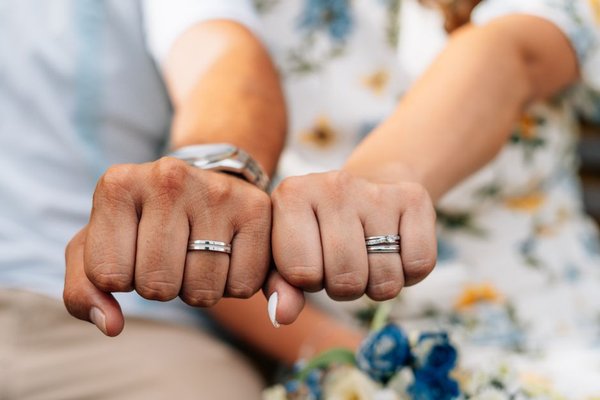
An engagement ring can lose its sparkle surprisingly quickly. Hand cream, sunscreen, soap, cooking oils and everyday skin oils settle around the stone and beneath the setting, creating a film that blocks light. Learning how to clean an engagement ring safely is less about aggressive scrubbing and more about using a gentle routine that protects the stone, prongs and metal finish.
For most diamond engagement rings in gold or platinum, simple lukewarm water, mild dish soap and a soft brush are enough for routine care. The main caution is that not every ring is built the same way. Pavé settings, antique rings, treated diamonds and rings with colored gemstones may need extra care, so start by checking what you have.
Check the Ring Before You Clean It
Good engagement ring cleaning starts with a quick inspection. Under bright light, look closely at the center stone, side stones and prongs. If a stone appears to move, a prong looks bent, or the ring catches on fabric more than usual, skip home cleaning and take it to a jeweler. Brushing a loose setting can make an existing problem worse.
Also consider the gemstones. Some colored stones and treated gems can react badly to heat, chemicals or ultrasonic vibration. If you do not know whether a stone has been treated, use the gentlest method and ask a jeweler before trying a commercial cleaner or machine.
How to Clean an Engagement Ring Safely at Home
1. Make a Gentle Soaking Solution
Fill a small bowl with lukewarm water and add a few drops of mild dish soap. Avoid very hot water, particularly if the ring contains gemstones other than diamond. A bowl is safer than cleaning directly over an open sink because it reduces the chance of losing the ring or a loose stone down the drain.
2. Soak the Ring Briefly
Leave the ring in the solution for about 15 to 20 minutes. This helps loosen the oily film that collects around a diamond and in the small spaces beneath the setting. Heavy buildup is better handled with a second gentle cleaning than stronger chemicals or hard scrubbing.
3. Brush the Setting Gently
Use a new, very soft toothbrush or soft jewelry brush. Work around the underside of the center stone, the gallery and setting details with light strokes. Do not force bristles under prongs or scrape the metal. Diamond ring care is mainly about removing residue without stressing the setting.
Here is a useful practical check: look through the ring from the side after brushing. If the underside of the diamond still looks cloudy, lotion and soap may still be trapped there. Give that area another gentle pass instead of scrubbing harder across the top.
4. Rinse Carefully
Rinse the ring thoroughly with clean lukewarm water. Using a separate bowl or glass of water is safer than holding the ring over an open drain. Make sure no soap remains beneath the setting because dried residue can make the diamond look hazy again.
5. Dry With a Lint-Free Cloth
Pat the ring dry with a clean microfiber or other lint-free cloth, then let it air-dry completely. Avoid rough fabrics or paper products that may leave fibers behind or create fine marks on softer metal surfaces.
What Not to Use on an Engagement Ring
More powerful does not mean safer for jewelry cleaning at home. Toothpaste, abrasive powders, baking soda pastes and scouring cleaners can scratch or dull metal finishes. Bleach and other strong household chemicals can also harm some metals and gemstones.
Steam cleaners and ultrasonic machines need special caution. Ultrasonic vibration can dislodge stones that are already loose, and some treated or included gemstones should not be cleaned this way. Steam adds heat and pressure that are unnecessary for routine home ring maintenance. Unless a jeweler has confirmed that your exact ring is suitable, mild soapy water and a soft brush are the lower-risk choice.
Commercial jewelry cleaners are not automatically safe for every ring either. Check that a product is suitable for every stone and metal in the piece, not only the center diamond.
How Often Should You Clean Your Engagement Ring?
There is no universal schedule. If you wear your ring daily and regularly use hand cream or sunscreen, a gentle cleaning every week or two can help prevent visible buildup. If you wear it less often, clean it when you notice reduced brilliance or residue around the setting.
Home cleaning does not replace professional inspection. A jeweler can check prongs, side stones and the setting for wear that may be hard to see without magnification. For a ring worn every day, a professional check about every six to 12 months is a practical ring maintenance habit, or more often if your jeweler or insurer advises it.
Keep the Ring Cleaner Between Washes
Remove your ring before applying thick hand creams, using household cleaners, gardening or handling greasy foods. It is also sensible to take it off before swimming in chlorinated pools or doing work that could knock the setting.
When you remove the ring, place it in the same secure jewelry box, dish or soft pouch each time. Consistent storage helps prevent scratches, drops and lost rings.
When to Let a Jeweler Handle It
Professional care is the better choice when the ring has a loose or damaged setting, intricate pavé work, an antique finish, an unknown gemstone treatment or delicate colored stones. Book an inspection if the center stone looks crooked, a prong repeatedly snags clothing, or buildup remains after gentle cleaning.
Frequently Asked Questions
Can I clean my engagement ring with dish soap?
Yes, for many diamond rings in gold or platinum, a few drops of mild dish soap in lukewarm water is a gentle option. If the ring contains delicate, porous or treated gemstones, confirm the correct care method with a jeweler first.
Can I use toothpaste to clean a diamond ring?
No. Toothpaste is abrasive and can scratch or dull the metal even though diamond itself is very hard. A soft brush with mild soapy water is a safer routine choice.
Is an ultrasonic cleaner safe for an engagement ring?
Not in every case. Ultrasonic vibration can loosen stones that are already insecure, and some treated diamonds or colored gemstones may be unsuitable for ultrasonic cleaning. Professional assessment is safer if you are unsure.
Why does my diamond still look cloudy after cleaning?
Residue may still be trapped beneath the stone, especially in halo or pavé settings. Clean the underside gently and rinse thoroughly. If cloudiness remains, a jeweler can determine whether the cause is stubborn buildup, the setting or a characteristic of the stone itself.
Keep Engagement Ring Care Simple
A clean engagement ring does not require strong chemicals or complicated equipment. Mild soap, lukewarm water, a soft brush and careful drying can handle most routine buildup on a standard diamond ring. Each cleaning is also a chance to spot a loose prong or worn setting before it becomes a larger problem. With consistent care and periodic professional checks, your ring can stay bright while its stones and setting remain protected.