
Food has a quiet way of becoming one of the strongest memories from a wedding. Guests may arrive talking about the dress, the flowers, or the venue, but by the end of the night, they often remember the meal: the first bite of something warm, the dessert shared between conversations, the late-night snack that appears just when everyone needs it. That is why understanding how to choose a wedding caterer matters so much. The right caterer does more than serve food. They help shape the pace, comfort, and atmosphere of the celebration.
Choosing a wedding caterer can feel overwhelming at first. There are menus to compare, tasting appointments to schedule, dietary needs to consider, and budgets to manage. Still, the process becomes much easier when couples look beyond pretty food photos and focus on what really matters: experience, communication, flexibility, food quality, and the ability to handle the specific rhythm of the wedding day.
Start with the Style of Wedding You Want
Before looking closely at caterers, it helps to understand the kind of wedding meal you imagine. A formal ballroom dinner feels very different from a relaxed garden reception, a beach ceremony, a family-style countryside meal, or a cocktail-style evening with passed bites. The caterer should be able to support the mood of the day, not force it into a format that does not feel natural.
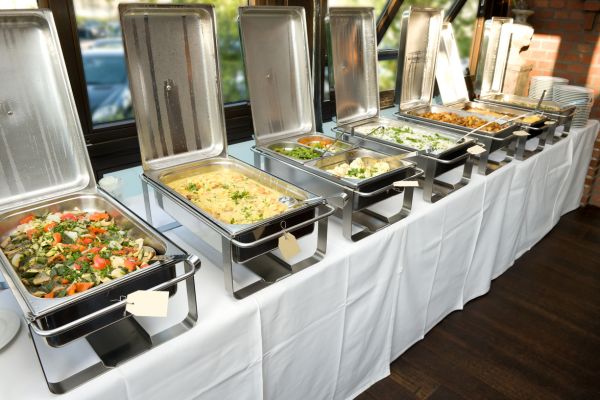
Some couples want a traditional plated dinner with several courses. Others prefer buffet stations, grazing tables, food trucks, shared platters, or a more casual mix of small plates and desserts. None of these styles is automatically better than the other. The best choice depends on the venue, guest count, budget, season, and the kind of experience you want guests to have.
A seated dinner often feels elegant and structured. A buffet can create variety and movement. Family-style service brings warmth to the table, especially for smaller weddings. Cocktail receptions can feel lively and social, though they need enough food to keep guests satisfied. Once the style becomes clear, it is easier to find a caterer who understands that vision.
Think About the Guest Experience First
Wedding catering is not only about the couple’s favorite dishes. It is also about how guests move through the event. Will they be standing for a long cocktail hour? Will dinner be served late? Are there older guests who need comfortable seating and easy access to food? Are children attending? Are there guests with allergies or dietary restrictions?
A thoughtful caterer considers these details. They help design a menu and service plan that feels smooth from beginning to end. If the ceremony is long and the reception begins later in the evening, guests may need more substantial appetizers. If the event is outdoors in summer, heavy dishes may feel less appealing than fresh, lighter food. If the reception includes dancing, late-night snacks may be welcome, but they should be timed well.
Good catering should feel effortless to guests. They should not wonder where to get a drink, wait too long for dinner, or struggle to find something they can eat. When the catering works well, it becomes part of the comfort of the day.
Review Experience with Weddings Specifically
A restaurant may serve excellent food, and a private chef may create wonderful meals, but wedding catering has its own demands. Weddings involve timing, guest flow, venue rules, rentals, staffing, setup, cleanup, dietary notes, and unexpected changes. A caterer with wedding experience is usually better prepared for these moving parts.
It is worth asking whether the caterer has worked at similar events before. A small backyard wedding requires different planning than a large hotel reception. An outdoor ceremony needs attention to weather, food safety, power access, and transportation. A historic venue may have strict rules about kitchens, open flames, waste removal, or vendor arrival times.
Experience does not always mean the caterer must have handled hundreds of weddings, but they should understand the pressure of a wedding day. Food needs to arrive at the right temperature. Staff need to know where to be. Courses need to move with speeches, photos, and dancing. A good caterer works quietly in the background while keeping the event on track.
Pay Attention to Communication
Communication is one of the clearest signs of whether a caterer will be easy to work with. From the first conversation, notice how they respond. Are they clear about pricing? Do they answer questions directly? Do they ask about your venue, timeline, guest count, and preferences? Do they explain what is included and what is not?
A caterer does not need to reply instantly every time, but they should be organized and professional. Wedding planning already has enough uncertainty. Couples should not have to chase basic details or feel confused about the proposal.
The best catering conversations feel collaborative. The caterer listens to your ideas, offers realistic suggestions, and gently explains what may or may not work. If a menu idea is difficult because of the venue setup or guest count, they should say so clearly and offer alternatives. Honest guidance is much more valuable than saying yes to everything and struggling later.
Understand What Is Included in the Price
Wedding catering quotes can vary widely, and sometimes two proposals that look similar at first are not similar at all. One caterer may include staffing, setup, cleanup, basic rentals, water service, and cake cutting. Another may charge separately for each of those items. This is why it is important to look beyond the price per person.
Couples should understand what the quote includes in practical terms. Food is only one part of the total cost. Staffing, service style, travel fees, kitchen equipment, linens, glassware, plates, cutlery, bar service, taxes, gratuities, and overtime can all affect the final amount.
A lower initial quote is not always the better value if many essentials are missing. At the same time, a higher quote may make sense if it includes more complete service and fewer surprises later. The goal is not simply to find the cheapest option. It is to understand the full picture before making a decision.
Schedule a Tasting with an Open Mind
A tasting can be one of the more enjoyable parts of wedding planning, but it is also useful. It gives couples a chance to experience the food, presentation, portion sizes, and flavor balance. It can also reveal how flexible the caterer is with adjustments.
During a tasting, pay attention to more than whether the food tastes good. Notice if the dishes feel right for the season and setting. Think about whether the food will still work when served to a larger group. Some dishes are beautiful in a small tasting but harder to execute well for many guests. A skilled caterer will know what can be scaled successfully.
It is also helpful to be honest but kind during the tasting. If something feels too rich, too mild, too formal, or not quite right, say so. Small adjustments can often make a menu feel more personal. A tasting should refine the plan, not make couples feel locked into every original choice.
Ask About Dietary Needs and Allergies
Modern wedding menus need to be inclusive. Guests may have allergies, religious dietary requirements, vegetarian or vegan preferences, gluten sensitivities, or other food needs. A good caterer should have a clear system for handling these requests.
It is not enough to simply offer one plain alternative plate. Guests with dietary needs should still feel considered. A vegetarian meal can be flavorful and complete. A gluten-free dessert can feel just as thoughtful as the main cake. Allergy-safe meals should be handled carefully, with attention to cross-contact where necessary.
Couples do not need to design the entire menu around every possible restriction, but they should choose a caterer who treats these needs seriously. Food is part of hospitality, and every guest should feel welcome at the table.
Consider the Venue’s Rules and Kitchen Setup
The venue and caterer need to work well together. Some venues have preferred caterer lists, while others allow outside vendors. Some provide full kitchens; others may only have a prep area, limited refrigeration, or no cooking facilities at all. These details can strongly influence the menu.
Before signing a contract, make sure the caterer understands the venue setup. They should know where food will be prepared, how it will be transported, where staff can park, where service will happen, and what equipment is needed. If the venue has rules about alcohol, cleanup, trash removal, candles, or delivery times, the caterer should be aware of them.
When the caterer has worked at the venue before, planning may be easier. If they have not, that is not necessarily a problem, but they should be willing to communicate with the venue and review the logistics in advance.
Look at Staffing and Service Details
Good food can suffer if service is understaffed or disorganized. The number of servers, bartenders, chefs, and setup staff should match the guest count and service style. A plated dinner requires different staffing than a buffet or cocktail reception.
Ask how many staff members will be present and what they will handle. Will they set tables? Pour water? Clear plates? Manage the buffet? Cut and serve the cake? Pack leftovers? Clean the catering area before leaving? These details may seem small, but they affect the flow of the evening.
Professional service does not need to feel stiff. In fact, the best service often feels warm and almost invisible. Plates appear at the right time, drinks are refreshed, and guests feel cared for without the meal becoming overly formal.
Read Reviews with Care
Reviews can be useful, especially when they mention communication, punctuality, food quality, and how the caterer handled problems. Look for patterns rather than one dramatic comment. If many couples mention that a caterer was calm, organized, and flexible, that is a good sign. If several reviews mention surprise fees or poor communication, pay attention.
Photos can also help, but they should not be the only deciding factor. A beautiful food display matters, of course, but weddings need reliability as much as style. It is better to choose a caterer with solid planning and excellent execution than one with impressive images but unclear service.
Personal recommendations can be helpful too. Venue coordinators, planners, photographers, and recently married couples often know which caterers are easy to work with behind the scenes.
Review the Contract Carefully
Once the caterer feels like the right fit, the contract should clearly explain the agreement. It should include the date, location, guest count, menu details, service style, staffing, payment schedule, cancellation policy, final guest count deadline, overtime fees, rental responsibilities, and any extra charges.
Do not rely on verbal promises. If something matters, it should be written down. This includes special dietary meals, bar service details, cleanup responsibilities, and timing. A clear contract protects both the couple and the caterer.
It is also wise to ask what happens if the guest count changes, if the timeline shifts, or if weather affects an outdoor event. Weddings are emotional days, but contracts are practical tools. They help everyone understand expectations before the celebration arrives.
Trust the Fit, Not Just the Menu
Learning how to choose a wedding caterer is partly about food, but it is also about trust. The right caterer should make you feel confident that the meal is in capable hands. They should understand your priorities, respect your budget, communicate clearly, and handle logistics with care.
A beautiful menu matters, but the working relationship matters too. Wedding planning involves many decisions, and a caterer who brings calm, clarity, and experience can make the process feel lighter. When you feel comfortable asking questions and discussing changes, the final result is usually stronger.
Conclusion
Choosing the right wedding caterer is about finding the balance between flavor, service, budget, logistics, and feeling. The meal should suit the setting, care for the guests, and reflect the couple’s style without becoming stressful or overly complicated. From the first conversation to the final contract, every step should help create a clearer picture of how the wedding day will unfold.
A good caterer does more than prepare food. They help create comfort, rhythm, and connection around the table. And on a day filled with emotion, movement, and memory, that kind of care can make the celebration feel complete.